
(Wingham, North Huron) — At some point, negligence stops being ignorance and becomes a choice.
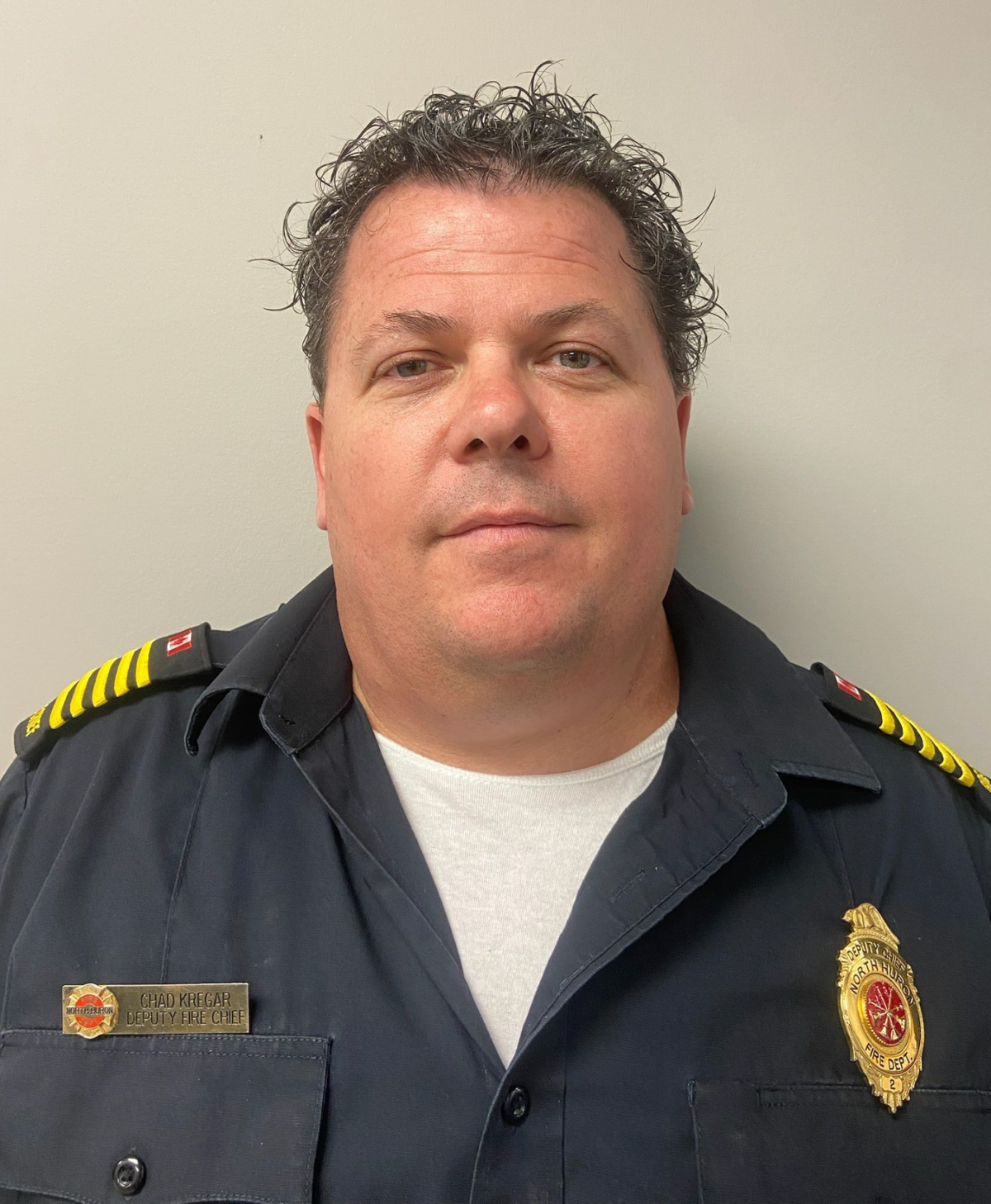
That moment has arrived for North Huron Fire Chief, Chief By-law Enforcement Officer, and Public Safety Officer Chad Kregar.
Last week, Kregar was directly informed—face to face—of active pedestrian hazards created by snow and ice left on municipal sidewalks, including routes used by seniors, children, and people with mobility issues. The condition of those sidewalks is no longer hypothetical, disputed, or unknown. It is now documented, observed, and acknowledged.
That matters—because in Canadian law, once a public authority is aware of a hazard, the standard of care changes.

Notice Changes Everything
Courts across Canada have been clear: municipalities and their officers have a positive duty to maintain public infrastructure in a reasonably safe condition. Sidewalks are not decorative. They are safety infrastructure.
The Supreme Court of Canada has repeatedly held that:
- Municipalities cannot create hazards on pedestrian routes and then disclaim responsibility.
- Delegating or ignoring maintenance duties does not eliminate liability.
- Once a risk is known, failure to act becomes negligence, not policy.
The Ontario Ombudsman has echoed this principle: public safety officials are expected to intervene when preventable hazards are brought to their attention, regardless of internal politics or convenience.
As of now, North Huron has notice.
And so does Chad Kregar personally, in his capacity as Fire Chief, Chief By-law Enforcement Officer and Public Safety Officer.
By-law Enforcement Is Not Optional
A recurring claim from Town Hall is that municipal by-laws “don’t apply” to the municipality itself. That position is legally fragile—and dangerous.
Clean yards, property standards, and safety by-laws exist to eliminate hazards, not to protect the entity that created them. If a by-law officer can order a private resident to clear a sidewalk within 72 hours—or face enforcement—then refusing to apply the same safety standard to municipal property raises serious questions of unequal enforcement and bad faith.
Public safety officers are not hired to look the other way when the Township is the source of the danger.
What Refusal to Act Risks
If hazardous sidewalks remain after notice, the consequences are no longer abstract:
- Civil liability for injuries caused by known hazards
- Personal exposure for officials who knowingly decline to mitigate risk
- Insurance complications if claims arise after documented warnings
- Ombudsman scrutiny for systemic failure to enforce safety standards
- Coroner’s inquests if a serious injury or death occurs
- Public loss of confidence in emergency and safety leadership
No Fire Chief wants to explain—after the fact—why a known, preventable hazard was left in place.
This Is the Moment to Choose
Chad Kregar now stands at a clear fork in the road.
One path is simple:
He has acknowledged the hazard. He must order it corrected. Ensure municipal crews stop using sidewalks as snow storage. Treat public safety as non-negotiable.
The other path leads to court appearances, public shaming, paperwork, and humilation—until someone falls, gets hurt, or worse.
Public safety officers are entrusted with authority because lives depend on it. That trust is not symbolic. It carries responsibility, accountability, and—when warnings are ignored—consequences.
The public has done its part.
The hazard has been identified.
The warning has been given.
What happens next is no longer an accident, it’s all on Chad Kregar.